Concrete Driveways in Jefferson County: Costs, Design Options, and What Homeowners Should Know
A
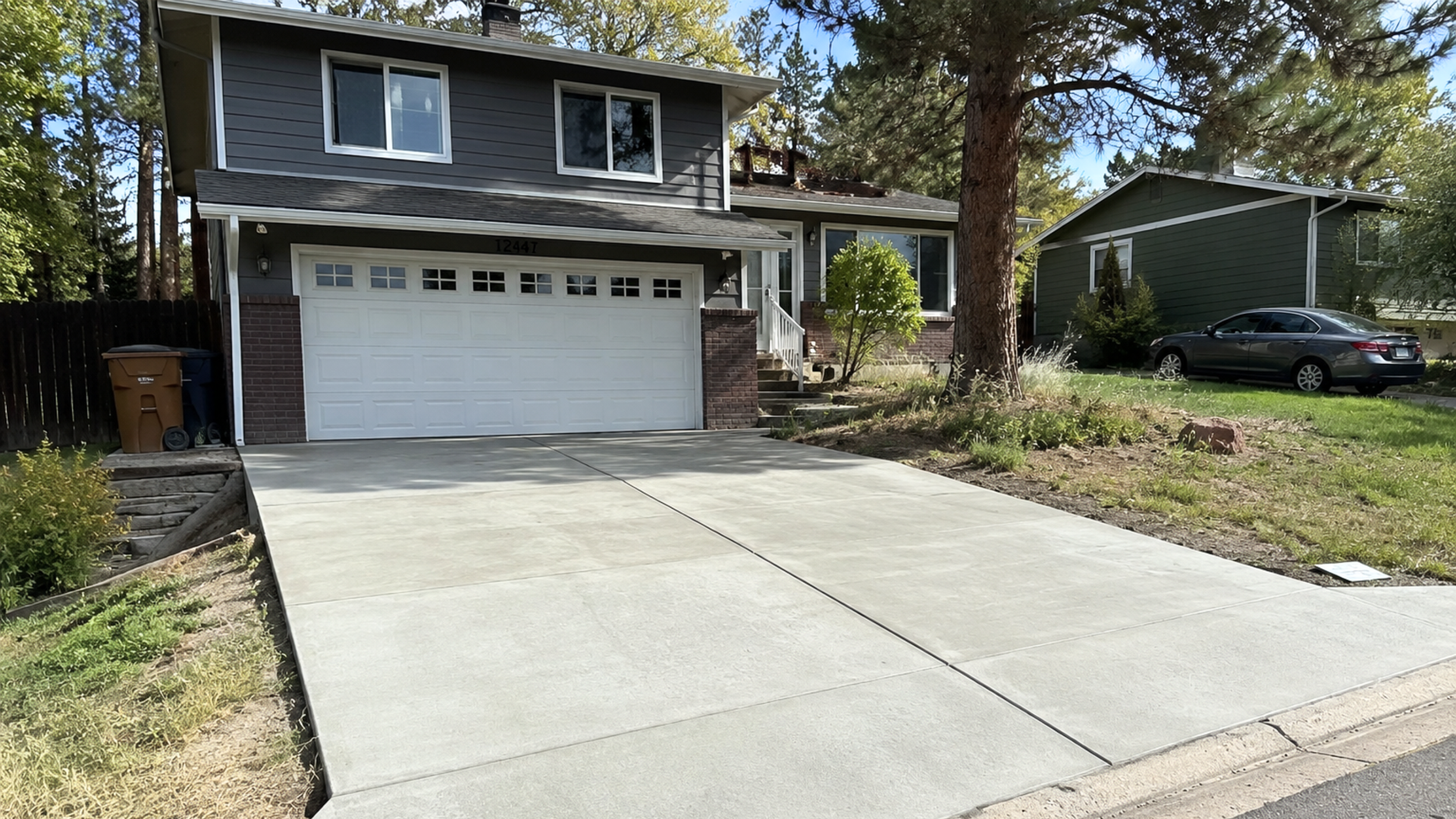
concrete driveway is one of the first things people notice when they arrive at a home. It affects curb appeal, daily functionality, drainage, and long-term property maintenance. In Jefferson County, homeowners also have to consider Colorado’s freeze-thaw cycles, snow, sun exposure, and shifting soil conditions when planning a new driveway.
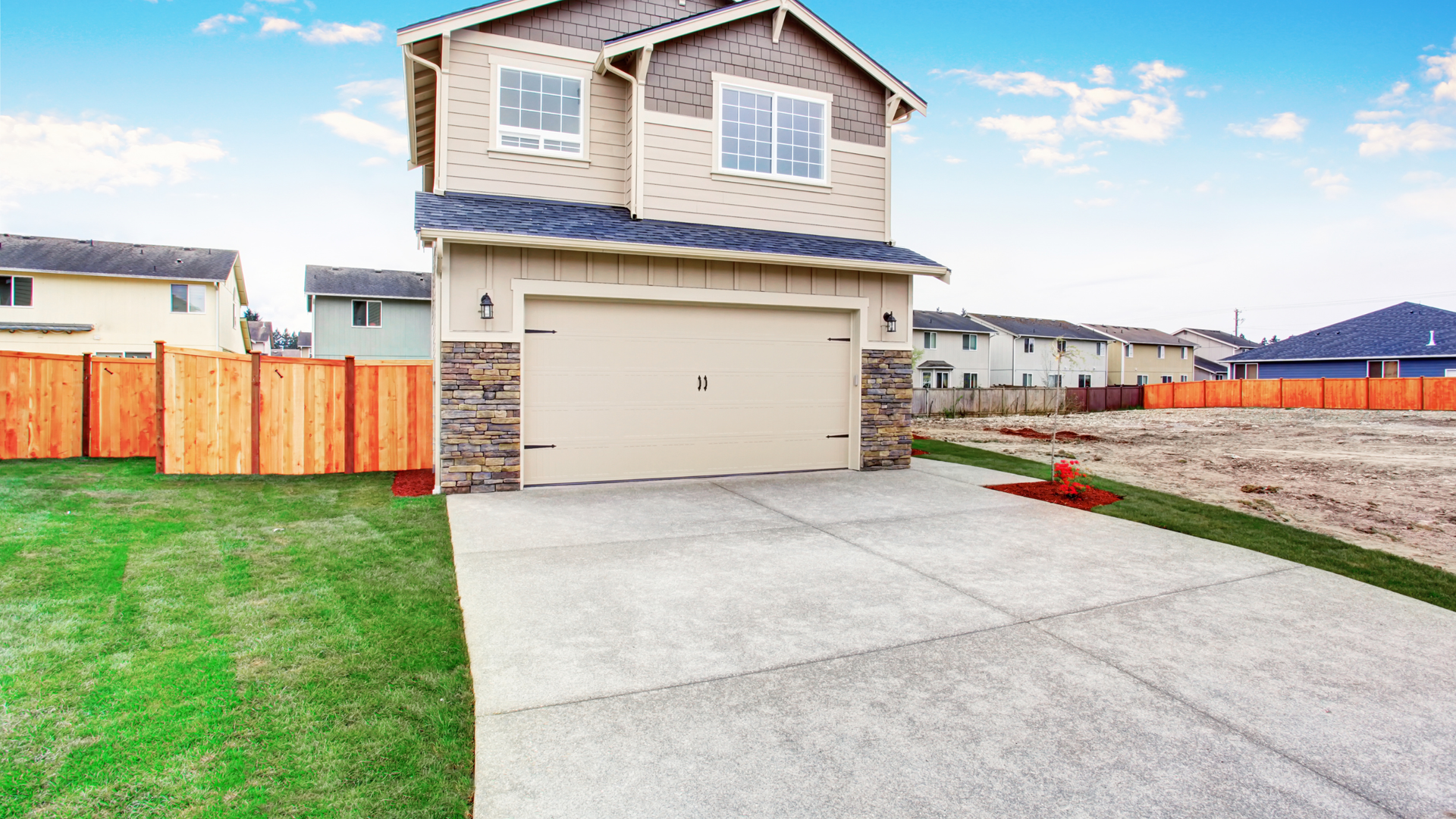
If you are considering replacing an old driveway or installing a new one, understanding the different options, costs, and construction factors can help you make a better long-term decision for your property.
At Formtiva Concrete, we help homeowners throughout Jefferson County build concrete driveways designed for Colorado conditions and everyday use.
Why Concrete Driveways Are Popular in Colorado
Concrete continues to be one of the most common driveway materials for homeowners across Colorado because it offers a balance of durability, appearance, and lower long-term maintenance compared to many alternatives.
A professionally installed concrete driveway can handle:
- Daily vehicle traffic
- Heavy SUVs and trucks
- Snow and freeze-thaw cycles
- UV exposure at higher elevations
- Long-term residential use
Concrete also gives homeowners more flexibility in terms of design and finishes. Modern driveways are no longer limited to plain gray surfaces. Many homeowners now choose decorative finishes, borders, broom textures, or exposed aggregate designs to improve the overall appearance of their property.
How Long Does a Concrete Driveway Last?
A properly installed concrete driveway can commonly last 30 years or longer with proper maintenance.
Several factors affect lifespan, including:
- Thickness of the slab
- Soil preparation
- Drainage
- Reinforcement
- Concrete mix quality
- Winter maintenance habits
Driveways in Colorado experience more stress than driveways in milder climates because water can freeze inside small surface pores and expand during winter. That is why proper installation matters far more than simply pouring concrete quickly.
Poor subgrade preparation is one of the most common reasons driveways fail early.
Concrete Driveway Cost in Jefferson County
Concrete driveway pricing varies depending on several factors:
- Driveway size
- Thickness requirements
- Site grading
- Decorative finishes
- Accessibility
- Reinforcement needs
- Removal of existing concrete
Here is a general pricing breakdown homeowners commonly see in Jefferson County.
| Driveway Type | Average Cost Range |
|---|---|
| Standard broom finish driveway | $10–$16 per sq. ft. |
| Stamped concrete driveway | $16–$26 per sq. ft. |
| Exposed aggregate driveway | $18–$28 per sq. ft. |
| Driveway replacement with demolition | Higher depending on removal scope |
Large driveways, steep access areas, or properties requiring additional grading may increase costs.
A professional estimate should always include:
- Excavation
- Base preparation
- Reinforcement
- Concrete placement
- Finishing
- Cleanup
- Expansion joints
Choosing the Right Concrete Driveway Finish
The finish you choose affects both appearance and traction.
Broom Finish Concrete Driveways
Broom finish remains the most common driveway finish because it provides:
- Slip resistance
- Simple appearance
- Lower installation cost
- Easy maintenance
This finish works especially well for Colorado winters because it improves traction during snow and ice conditions.
Exposed Aggregate Driveways
Exposed aggregate driveways reveal decorative stone within the concrete surface. They provide:
- More visual texture
- Improved curb appeal
- Better slip resistance
- Decorative appearance without stamped patterns
This finish is popular for higher-end residential properties.
Stamped Concrete Driveways
Stamped concrete replicates the look of:
- Stone
- Pavers
- Brick
- Slate
- Tile
Stamped driveways can dramatically improve appearance, but they require proper sealing and professional installation to handle Colorado weather conditions properly.
How Thick Should a Concrete Driveway Be?
For most residential properties, driveways are typically installed at approximately 4 inches thick.
However, thicker concrete may be recommended for:
- RV parking
- Heavy trucks
- Steeper driveways
- Larger vehicles
- Areas with poor soil conditions
Reinforcement may also include:
- Rebar
- Wire mesh
- Fiber additives
Proper base preparation underneath the slab is equally important.
Why Drainage Matters for Concrete Driveways
Drainage is one of the most overlooked parts of driveway construction.
Without proper drainage:
- Water pools on the surface
- Ice buildup increases
- Soil erosion occurs
- Freeze-thaw damage becomes worse
- Cracking becomes more likely
A properly designed driveway should direct water away from:
- The garage
- The home foundation
- Sidewalks
- Landscaping
Slope and grading are critical during installation.
Common Reasons Concrete Driveways Crack
Most concrete develops minor hairline cracking over time. That alone does not necessarily mean the driveway was installed poorly.
However, larger cracks often result from:
- Poor soil preparation
- Improper joint placement
- Freeze-thaw expansion
- Heavy loads
- Drainage issues
- Tree roots
- Inadequate concrete thickness
Professional contractors reduce cracking risks by installing:
- Control joints
- Expansion joints
- Reinforcement
- Proper sub-base compaction
Concrete Driveway Replacement vs Repair
Sometimes repairs are enough. Other times replacement becomes the better long-term investment.
Repairs May Work If:
- Cracks are minor
- Surface wear is limited
- Drainage issues are minimal
- Structural movement is small
Replacement Is Often Better If:
- Large sections are sinking
- Major cracking exists
- Drainage problems continue
- Surface scaling is widespread
- The driveway is nearing the end of its lifespan
A contractor should evaluate the underlying condition of the base before recommending repairs alone.
Concrete vs Asphalt Driveways
Homeowners often compare concrete and asphalt before starting a project.
Here are several key differences.
| Feature | Concrete | Asphalt |
|---|---|---|
| Lifespan | Longer | Shorter |
| Maintenance | Lower | Higher |
| Appearance | More decorative options | Simpler look |
| Heat resistance | Better | Softer in heat |
| Winter durability | Excellent with proper install | Can crack over time |
Concrete generally has a higher upfront cost, but many homeowners prefer it for long-term durability and appearance.
Planning a New Driveway Project
Before starting a driveway installation, homeowners should consider:
Vehicle Usage
Do you park heavy vehicles, trailers, or RVs?
Drainage
Will water flow away properly during storms and snow melt?
HOA Requirements
Some communities have finish or color restrictions.
Expansion Needs
Do you want additional parking space later?
Decorative Goals
Do you prefer a standard finish or decorative appearance?
Planning ahead often helps homeowners avoid future modifications or unnecessary repairs.
Questions to Ask Before Hiring a Concrete Contractor
Hiring the right contractor matters just as much as the materials themselves.
Homeowners should ask:
- How do you prepare the base?
- What reinforcement do you use?
- How thick will the driveway be?
- How do you handle drainage?
- What finish options are available?
- Do you install expansion joints?
- What maintenance is recommended?
Experienced contractors should be able to explain their process clearly instead of giving vague answers.
Concrete Driveway Maintenance Tips
Concrete driveways are relatively low maintenance, but proper care helps extend lifespan.
Seal the Surface
Decorative concrete especially benefits from periodic sealing.
Avoid Deicing Chemicals
Some harsh chemicals can damage concrete surfaces during winter.
Clean Oil Stains Quickly
Oil can discolor the surface over time.
Address Small Cracks Early
Minor repairs can prevent larger issues later.
Keep Drainage Areas Clear
Standing water creates long-term problems.
Why Professional Installation Matters
Concrete installation is much more than simply pouring material into forms.
Long-term performance depends on:
- Soil preparation
- Proper grading
- Reinforcement
- Mix quality
- Joint placement
- Finishing techniques
- Curing process
Shortcuts during installation often lead to premature cracking, sinking, or surface damage.
A professionally installed driveway should look good while also handling Colorado weather conditions year after year.
Work With a Jefferson County Concrete Contractor
A concrete driveway is a major investment for your property. The right design and installation process can improve curb appeal, daily functionality, and long-term value.
At Formtiva Concrete, we provide concrete driveway installation services for homeowners throughout Jefferson County and surrounding areas. Whether you are replacing an aging driveway or planning a new installation, our team focuses on quality workmanship, proper preparation, and concrete solutions designed for Colorado conditions.
If you are planning a driveway project, contact Formtiva Concrete to schedule an estimate and discuss the best options for your property.
FAQs About Concrete Driveways
How long should I wait before driving on new concrete?
- Most driveways should cure for about 7 days before regular vehicle traffic. Weather conditions and concrete mix design can affect timing.
Does concrete crack in Colorado winters?
- Concrete can develop cracks over time due to freeze-thaw cycles, but proper installation, drainage, and joint placement help reduce serious cracking issues.
Is stamped concrete slippery?
- Stamped concrete can become slippery if improperly sealed. Contractors can add texture or anti-slip additives to improve traction.
How often should concrete driveways be sealed?
- Many driveways benefit from resealing every 2–5 years depending on weather exposure and traffic levels.
What makes Formtiva Concrete different from other concrete contractors?
- At Formtiva Concrete, we focus on proper site preparation, quality workmanship, and concrete solutions designed for Colorado conditions. Our goal is to provide homeowners with durable, professionally installed concrete surfaces that improve both function and appearance.